

H1: Machine-Made Shopping Paper Bags for Reliable Retail Packaging
Machine-made shopping paper bags are built for brands that need consistent retail packaging across repeated orders, multiple stores, seasonal campaigns, and distributor channels. A good shopping bag must open quickly at the counter, carry the product safely, keep the printed logo clean, and remain cost-effective when the order quantity grows.
For apparel shops, supermarkets, gift stores, cosmetics counters, trade events, and branded retail chains, machine-made production brings a different advantage from handmade boutique packaging. It supports stable sizing, faster output, controlled unit cost, and repeatable quality, which is important when the same bag design must perform in many customer touchpoints.
The buying process should therefore begin with use conditions rather than decoration. When the supplier understands product weight, store workflow, expected order frequency, and brand position, the final specification can be both attractive and practical.
H2: Start With the Retail Scenario
Store Use Defines the Bag
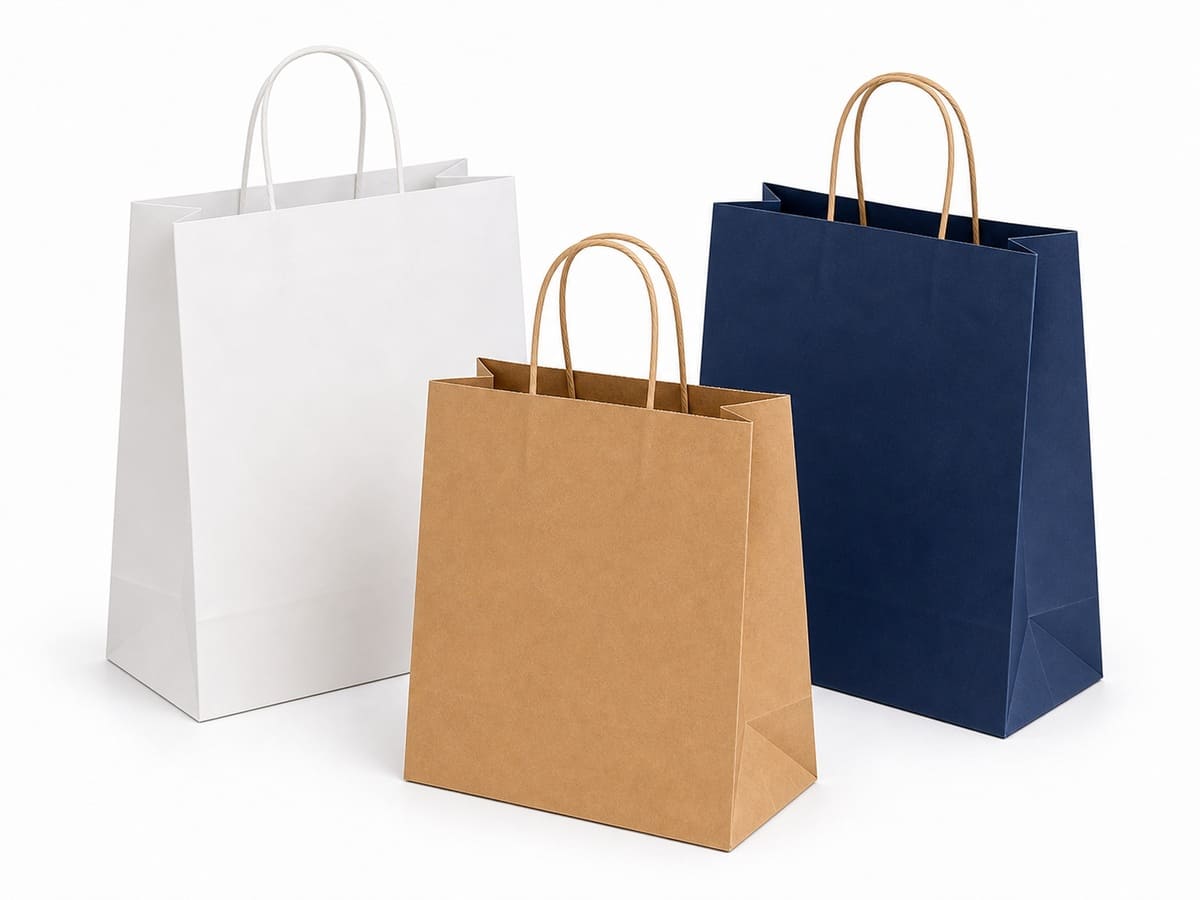
The best specification is not always the thickest paper or the most expensive finish. It is the specification that fits the store environment. A fashion boutique may need a soft-touch white bag with a neat rope handle, while a supermarket promotion may need a stronger kraft bag that can support heavier items and faster packing.
Retail packaging also has to work with staff behavior. Bags are pulled from shelves, opened with one hand, packed quickly, and handed to customers in seconds. If the side gusset is too stiff, the top fold is weak, or the handle position feels awkward, the bag becomes inconvenient even when the printed artwork looks polished.
- Daily checkout bags should be easy to open and stack.
- Gift counter bags should look clean when handed to the customer.
- Event bags should balance cost, print visibility, and carrying comfort.
- Retail chain bags should be repeatable across different batches.
H2: Match Size to Product Movement
Think About Packing Speed
Shopping bags are used under time pressure. Staff should not need to force the product into the bag, and the bag should not collapse before the purchase is packed. Width, height, gusset, and handle length should be chosen after reviewing the product size, product weight, and how many items are usually packed together.
For Yuanxu Paper Packaging and Caisheng Packaging style custom production, buyers can prepare a few product samples or dimensions before confirming the bag size. This helps the supplier recommend a structure that works in real retail use rather than only looking correct in a design file.
The best size usually leaves enough room for easy packing without making the purchase feel small. For retail chains, it can be useful to create two or three standard sizes instead of many similar sizes, because this improves inventory control and makes reordering easier.
H2: Use a Specification Map Before Quotation
A Clear Map Reduces Revisions
| Retail Need | Recommended Focus | Reason |
| Light apparel | Medium paper weight and rope handle | Keeps the bag neat without overbuilding cost |
| Food or supermarket items | Kraft paper and stronger bottom fold | Supports practical carrying and faster checkout |
| Promotional events | Simple printing and efficient size range | Controls cost for larger distribution |
| Premium retail | Cleaner surface and refined handle choice | Improves handover value at the store counter |
H2: Choose Paper for Strength and Print Stability
Material Affects Both Performance and Appearance
White kraft paper, brown kraft paper, coated paper, and specialty paper each serve a different purpose. Kraft paper is often selected for strength and a natural appearance. Coated paper can support cleaner color and smoother printed graphics. A supplier should help buyers compare paper stiffness, folding behavior, surface feel, and print result before bulk production.
For repeat orders, material stability matters as much as the first sample. If the paper changes too much between batches, the same printed color can look different. This is why sample approval and batch control should be part of the buying process.
A practical specification should also consider storage and shipping. Bags that travel long distances need enough stiffness to avoid crushing, but they should still fold and pack efficiently. The supplier should explain how material choice affects carton quantity, freight efficiency, and the final condition of the bags after export.
H2: Keep Branding Clear but Production-Friendly
Logo Design Should Fit the Printing Method
Machine-made shopping bags can support one-color printing, full-color printing, spot color printing, foil stamping, embossing, debossing, matte lamination, gloss lamination, and other finishing options. The right choice depends on the brand position and order budget. A clean logo printed consistently often creates more value than a complicated design that is difficult to control.
- Use simple artwork for large-volume promotional bags.
- Reserve special finishing for premium store packaging.
- Avoid tiny logo details on rough kraft paper.
- Confirm color standards before mass production.
H2: Build the Handle Around Customer Comfort
Handles Are Part of the Product Experience
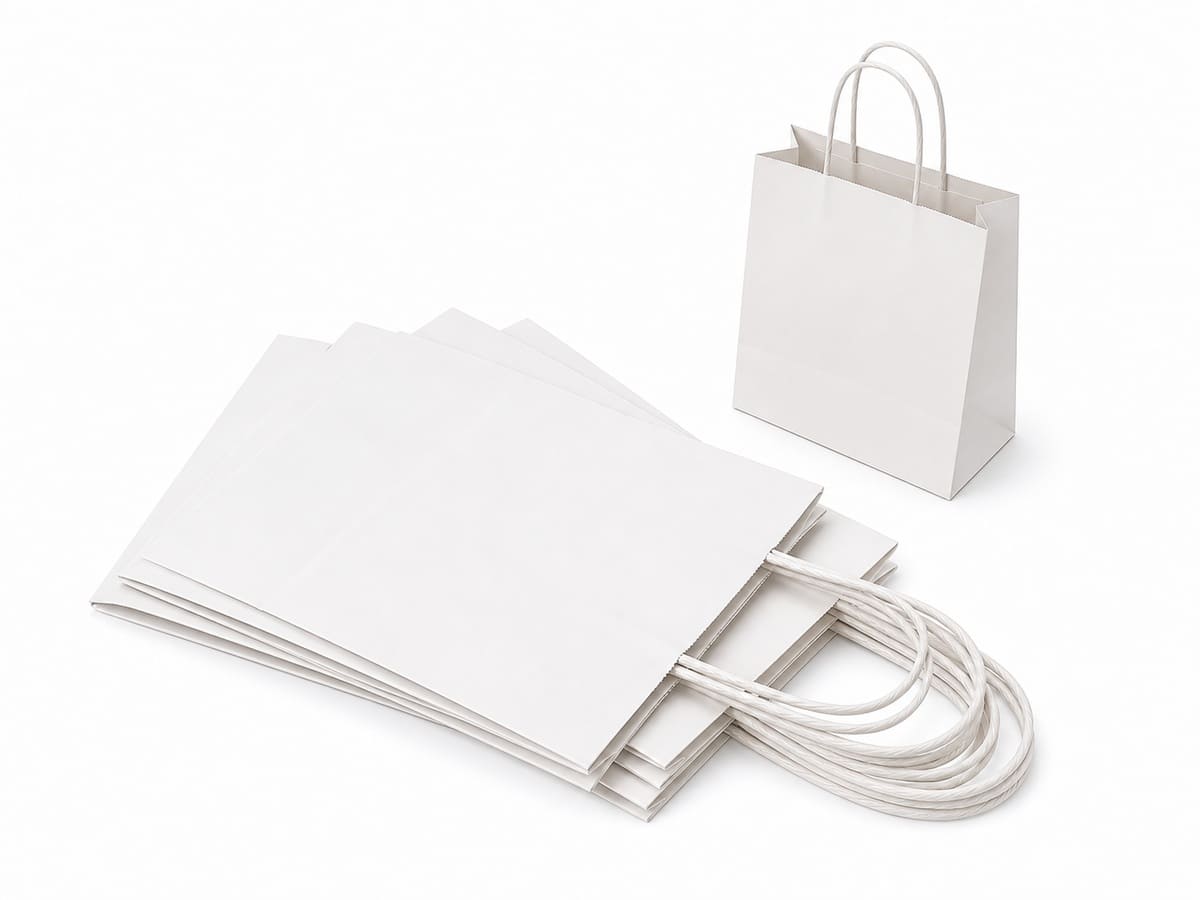
A shopping bag is carried in public, so the handle must feel secure and comfortable. Twisted paper handles, flat paper handles, cotton rope handles, ribbon handles, and die-cut handles all create different impressions. The supplier should recommend handle type according to bag size, product weight, brand style, and expected use time.
For heavier products, the handle attachment and top fold area need special attention. A beautiful bag loses its value quickly if the handle pulls out or the top edge tears during normal use.
Handle color is also part of the branding system. Matching the handle to the logo, paper color, or seasonal campaign can improve the finished look without adding complicated printing.
H2: Plan Machine Production for Repeat Orders
Consistency Is the Main Advantage
Machine-made production is valuable because it allows brands to repeat the same bag with stable dimensions, printing position, folding lines, and packing method. This is important for retail chains, franchise stores, distributors, and brands that run seasonal packaging programs.
Before confirming an order, buyers should discuss quantity, lead time, carton packing, export shipment, and whether the same specification will be reordered. A supplier with strong production planning can help reduce delays and keep the packaging program stable.
If the order will become a regular packaging item, the buyer should record approved size, paper, handle, print color, finishing, packing method, and carton mark. This makes future reorders faster and reduces the chance of small changes entering the production file.
H2: Inspect Bags as Store Staff Would Use Them
Quality Control Should Be Practical
Quality inspection should not only check whether the bag looks good on a table. It should test whether the bag opens smoothly, stands properly, carries the intended weight, and keeps its printed area clean after packing. This practical review is especially important for shopping bags because they are used quickly and repeatedly in stores.
- Check bag size and side gusset accuracy.
- Test handle strength with actual product weight.
- Review print alignment and color consistency.
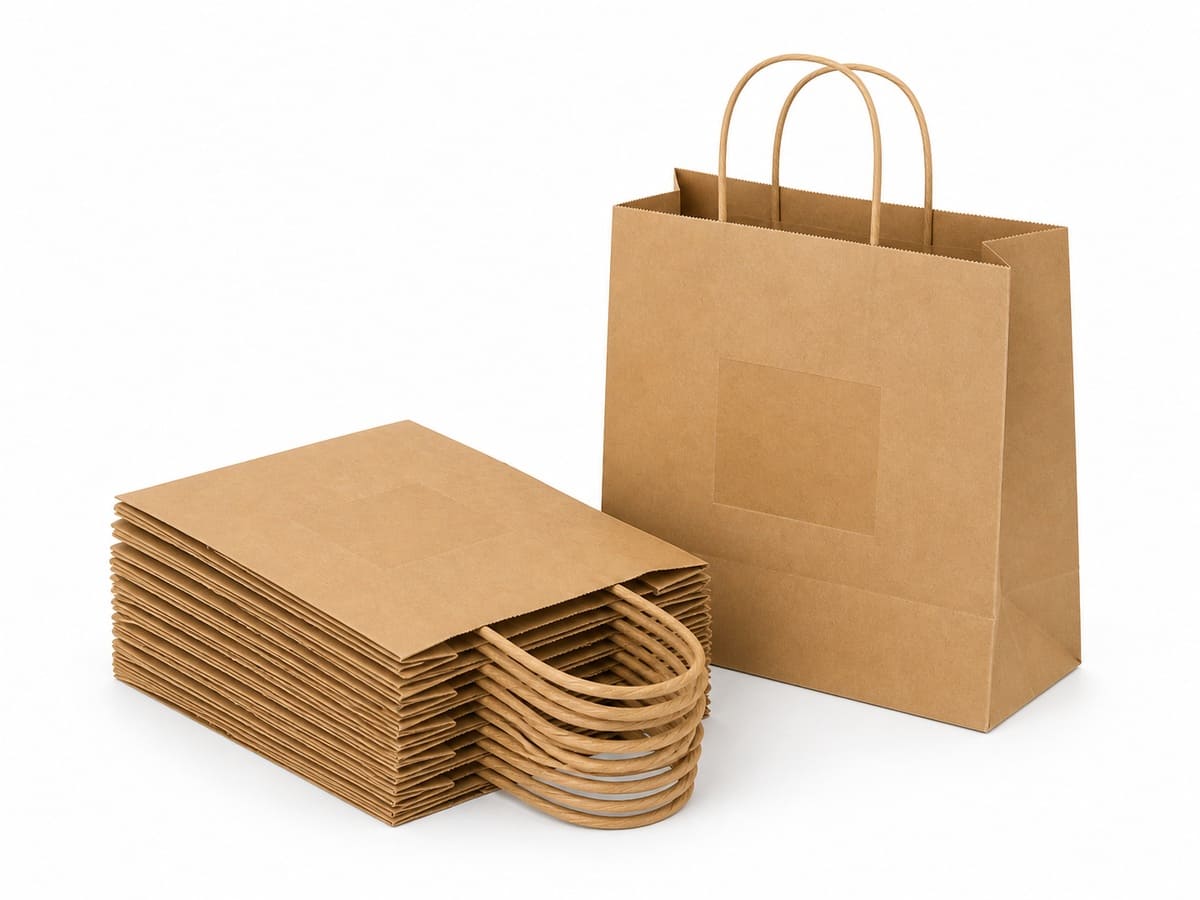
- Confirm folded bags are packed cleanly for shipment.
H2: Conclusion
Machine-made shopping paper bags are a practical choice for brands that need stable, repeatable, and efficient retail packaging. The strongest results come from matching the bag structure to real store use, choosing suitable paper, keeping the print design production-friendly, and checking quality from the customer handover perspective.
Yuanxu Paper Packaging and Caisheng Packaging can support buyers with custom shopping bag materials, size planning, printing options, handle choices, production control, and export packing for retail and wholesale packaging projects. With a clear specification, machine-made bags can protect daily retail efficiency while still carrying a strong brand image.
H2: FAQ
What are machine-made shopping paper bags?
They are paper retail bags produced with automated equipment for consistent size, folding, handle application, and repeatable quality across larger orders.
Which businesses use machine-made shopping paper bags?
They are suitable for apparel stores, supermarkets, gift shops, cosmetics counters, retail chains, promotional events, and packaging distributors.
Can machine-made shopping bags be customized?
Yes. Buyers can customize size, paper material, handle type, logo printing, surface finishing, color, and packing method.
What should buyers prepare before ordering?
Buyers should prepare product size, product weight, order quantity, artwork, preferred material, handle style, delivery schedule, and shipment destination.
Email: janice@yuanxupaperbag.com
Inquiry Hotline: +86 0133 9275 2288
contact person: janice
Website: https://www.yuanxubag.com/
Post time: Jul-17-2026