

H1: Eco-Friendly Paper Bags for Responsible Custom Packaging
Eco-friendly paper bags are chosen by brands that want packaging to support a cleaner retail image without losing strength, print quality, or customer experience. The strongest solution is not simply a brown kraft bag or a green message printed on the surface. It is a paper bag designed with responsible material choices, practical durability, honest claims, and efficient production planning.
For retail stores, gift brands, beauty companies, food-related businesses, apparel sellers, and distributors, eco-friendly paper bags can reduce plastic use and improve brand trust. The buying decision should consider paper source, recyclability, coating, ink, handle material, reuse potential, packing method, and whether the final bag can still perform well in daily customer use.
The most effective specification is usually a balanced one. It avoids unnecessary material waste, but it does not create a weak bag that fails during normal carrying. It supports a responsible brand story while staying honest about what the bag is made from.
H2: Define What Eco-Friendly Means for the Project
Responsibility Needs a Clear Scope
Eco-friendly can refer to recyclable paper, recycled content, FSC paper options, plastic reduction, reusable structure, water-based printing, or fewer unnecessary finishing layers. Buyers should define which part matters most for their brand and market before confirming the specification.
This definition should be written into the order brief. If the priority is recyclability, the coating and handle choice need attention. If the priority is reuse, the paper weight and handle strength may become more important. If the priority is a natural brand image, surface texture and print simplicity may guide the design.
- A supermarket may focus on recyclability and carrying strength.
- A fashion brand may focus on plastic-free retail packaging.
- A natural beauty brand may focus on uncoated paper feel.
- A distributor may focus on stable supply and efficient carton packing.
H2: Choose the Paper Source Before the Surface Look
Material Comes First
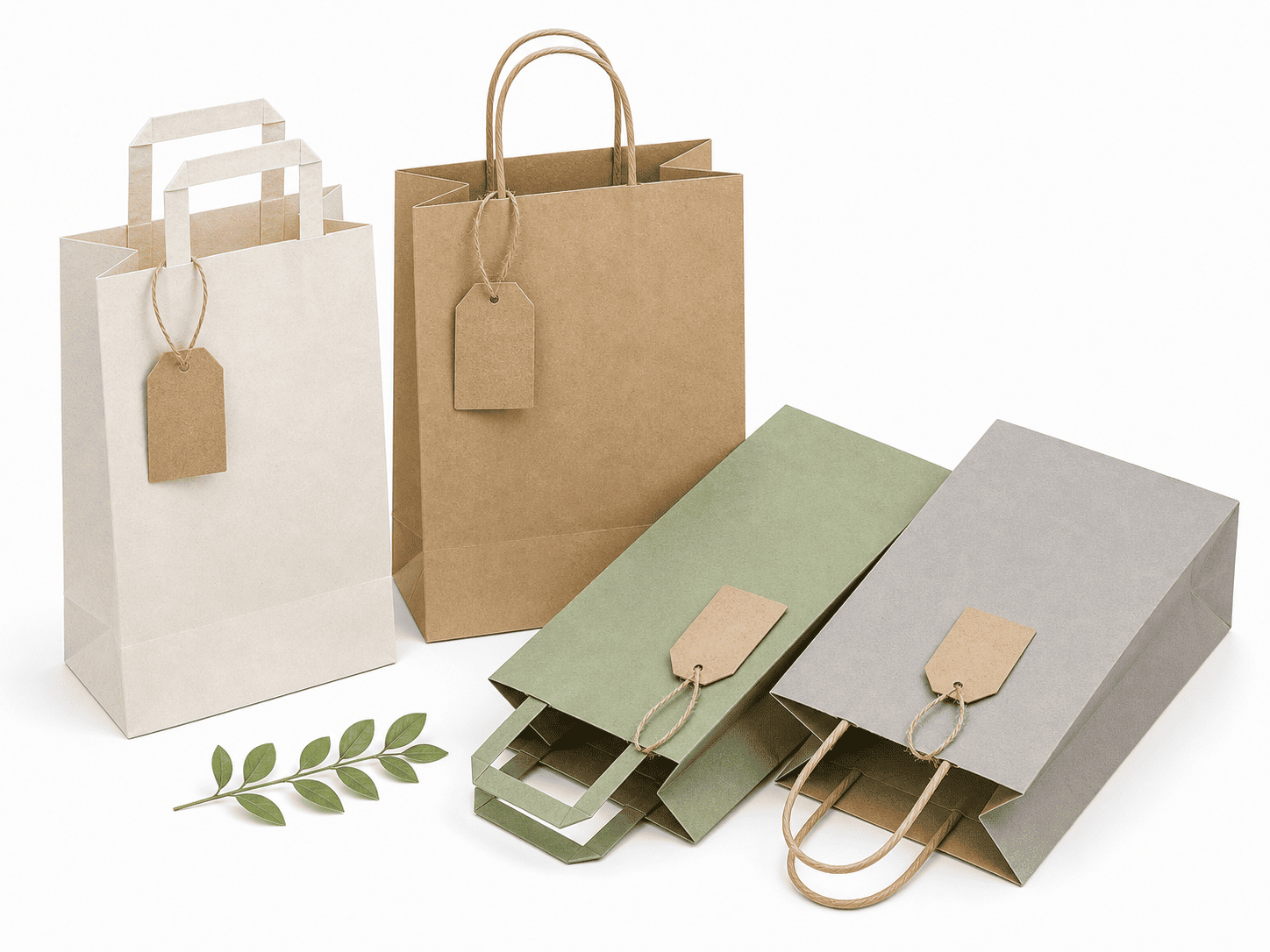
Brown kraft paper, white kraft paper, recycled paper, FSC paper options, and uncoated specialty paper can all support responsible packaging goals. Each material has a different surface, stiffness, color behavior, and cost level. Buyers should compare the product weight and brand position before choosing the paper.
A natural brown kraft bag can communicate simplicity, but it may not be suitable for every printed color. White kraft can give a cleaner retail look while still supporting recyclable paper packaging. Recycled paper can create a distinctive fiber texture, but sample testing is important for print clarity.
Material choice should also consider regional customer expectations. Some markets prefer a raw natural appearance, while others expect a cleaner white paper bag with a discreet sustainability message. The supplier should help translate the brand position into a paper choice that customers can understand.
| Material Option | Best Use | Buyer Check |
| Brown kraft paper | Natural retail and plastic-reduction packaging | Confirm print contrast and carrying strength |
| White kraft paper | Cleaner brand presentation with recyclable paper feel | Check color accuracy on the final paper |
| Recycled paper | Brands that want visible fiber texture | Review print clarity and surface consistency |
| FSC paper option | Projects requiring a documented paper source option | Confirm availability, specification, and order quantity |
H2: Keep Claims Honest and Easy to Understand
Avoid Vague Environmental Language
Packaging should not make promises that the material or local recycling system cannot support. Clear, specific wording is stronger than broad claims. Buyers can describe the paper type, recycled content if confirmed, FSC paper option if selected, or plastic-reduction purpose when the statement is accurate.
Honest wording protects the brand. Instead of making broad promises, the bag can communicate simple facts such as paper material, reuse suggestion, or reduced plastic packaging when those statements match the actual order.
- Use material facts that can be supported by the order specification.
- Avoid adding environmental marks that are not approved for the project.
- Do not rely on color alone to communicate sustainability.
- Keep any recycling message short and practical.
H2: Design for Reuse, Not Only First Purchase
A Strong Bag Can Stay in Use Longer
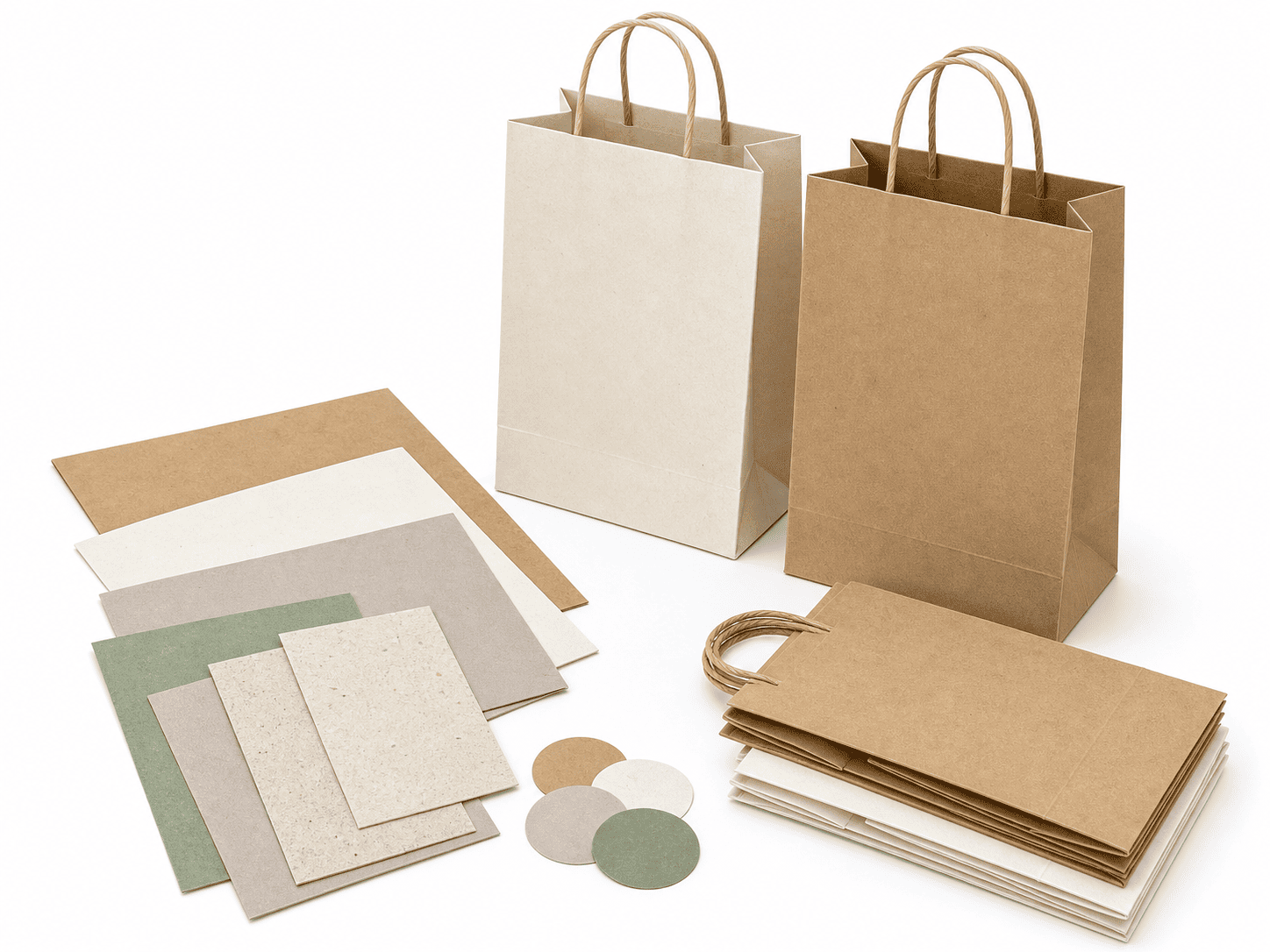
A paper bag becomes more responsible when customers can reuse it. Reuse depends on paper strength, handle comfort, bottom support, and whether the bag still looks good after carrying products. A very thin bag may reduce material at first, but it may fail quickly and create a poor brand experience.
For Yuanxu Paper Packaging and Caisheng Packaging custom projects, buyers can test the bag with real products and choose a specification that balances material reduction with practical durability.
Reusable value is often created by details: a comfortable handle, a stable bottom, a logo that remains clean, and a size that customers can use again for daily carrying. These details make the bag more useful after the first purchase.
H2: Review Ink, Coating, and Finishing Carefully
The Surface Affects Recyclability
Lamination, heavy coating, metallic finishing, and complex decorative layers can make a bag look premium, but they may conflict with some sustainability goals. Not every eco-friendly paper bag must be plain, but each finish should have a reason. When possible, simple printing, uncoated surfaces, water-based options, or limited finishing can help keep the design responsible.
If the brand needs a premium surface, the supplier should explain the tradeoff between appearance, protection, recyclability, and cost.
A restrained finish can still look professional. Clean typography, accurate logo placement, and a balanced paper color often create more trust than heavy decoration on a bag that claims to be responsible.
H2: Select Handles With the Same Logic as the Paper
Handles Should Not Break the Concept
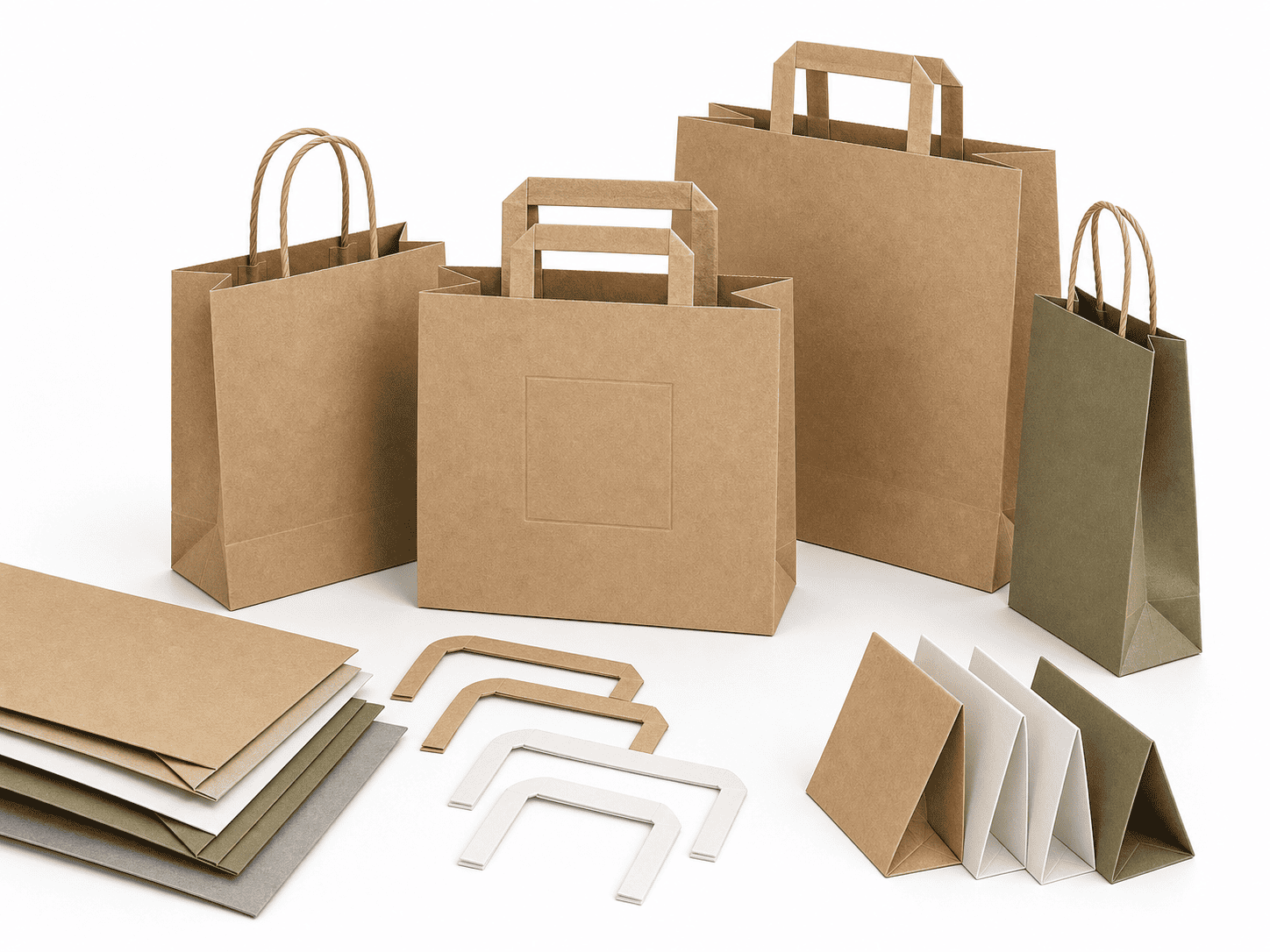
A paper bag can lose its responsible packaging message if the handle material feels unrelated to the rest of the design. Twisted paper handles, flat paper handles, cotton rope handles, ribbon handles, and die-cut handles each create different results. Paper handles are often suitable for recyclable retail bags, while cotton rope may be better for reuse-focused premium bags.
- Use paper handles for simple recyclable shopping bags.
- Use stronger handles when the bag is meant for reuse.
- Check handle attachment with actual product weight.
- Keep handle color consistent with the natural material story.
H2: Make the Design Clean Enough for Many Markets
Simple Design Often Works Better
Eco-friendly paper bags often perform best with clear layouts, natural paper texture, restrained color, and enough blank space. A clean design can work across retail stores, online gift packing, event distribution, and seasonal promotions. It also supports more efficient production because the artwork is easier to control.
Brands can still use custom logos, spot colors, patterns, and taglines, but the design should not become so heavy that it hides the material value.
For wholesale buyers, a clean design also helps one bag work for several product lines or store locations. This can reduce the number of separate packaging items and simplify inventory.
H2: Confirm Production, Packing, and Shipping Details
Responsible Packaging Includes Logistics
The environmental idea should continue into bulk production and export packing. Carton size, folded bag packing, moisture protection, shipping method, and order quantity all affect cost and handling. Efficient packing can reduce damage and help buyers receive bags that are ready for retail use.
- Confirm folded size and carton packing before shipment.
- Check whether bags need moisture protection during export.
- Avoid overpacking when simpler protection is enough.
- Plan reorder quantities to reduce urgent shipments.
H2: Conclusion
Eco-friendly paper bags should be designed with clear material logic, honest claims, practical strength, suitable handles, and efficient production planning. A responsible bag still needs to look clean, carry safely, print clearly, and support the brand’s real retail use.
Yuanxu Paper Packaging and Caisheng Packaging can help buyers compare kraft paper, recycled paper, FSC paper options, printing methods, handle materials, sampling, production control, and export packing for custom eco-friendly paper bag orders. With clear requirements and honest material choices, eco-friendly bags can support both practical packaging performance and long-term brand trust.
H2: FAQ
What are eco-friendly paper bags?
They are paper bags designed with responsible material choices such as recyclable paper, recycled paper options, FSC paper options, reduced plastic use, or simpler surface finishing.
Are kraft paper bags always eco-friendly?
Kraft paper can support eco-friendly packaging, but the full specification matters, including paper source, coating, handle material, printing, durability, and recyclability.
Can eco-friendly paper bags be custom printed?
Yes. Buyers can customize logo printing, size, paper type, handles, color, and selected finishing while keeping the design practical and responsible.
What should buyers confirm before ordering?
Buyers should confirm paper type, product weight, size, handle material, artwork, environmental claims, sample approval, quantity, packing method, and delivery schedule.
Email: janice@yuanxupaperbag.com
Inquiry Hotline: +86 0133 9275 2288
contact person: janice
Website: https://www.yuanxubag.com/
Post time: Jul-17-2026