

H1: Custom Paper Bags Wholesale: How Brands Can Build Better Retail Packaging
The right wholesale paper bag should be planned from real product needs, brand positioning, order quantity, material performance, printing requirements, and shipping conditions.
H2: Wholesale Paper Bags Should Begin With Brand Positioning
A good wholesale paper bag order starts before the quotation. It starts with the question: what should the customer feel when holding this bag? A luxury cosmetics brand may need a smooth laminated bag with refined logo treatment. A fashion store may need a strong shopping bag that looks elegant but remains cost efficient. A food brand may need clean, practical, and safe packaging that supports quick service and repeat purchases.
If the bag does not match the brand position, even high-quality production can feel wrong. A premium product placed in a weak paper bag loses perceived value. A natural lifestyle brand using overly glossy packaging may appear inconsistent. A wholesale paper bag should help the customer understand the brand immediately, even before reading the logo.
- Luxury brands usually need structure, texture, and precise finishing.
- Retail chains often prioritize consistency, cost, and fast reorder capacity.
- Gift brands benefit from decorative details and seasonal flexibility.
- Eco-focused brands should align material choice with sustainability claims.
Match the Bag to the Product Weight and Sales Scene
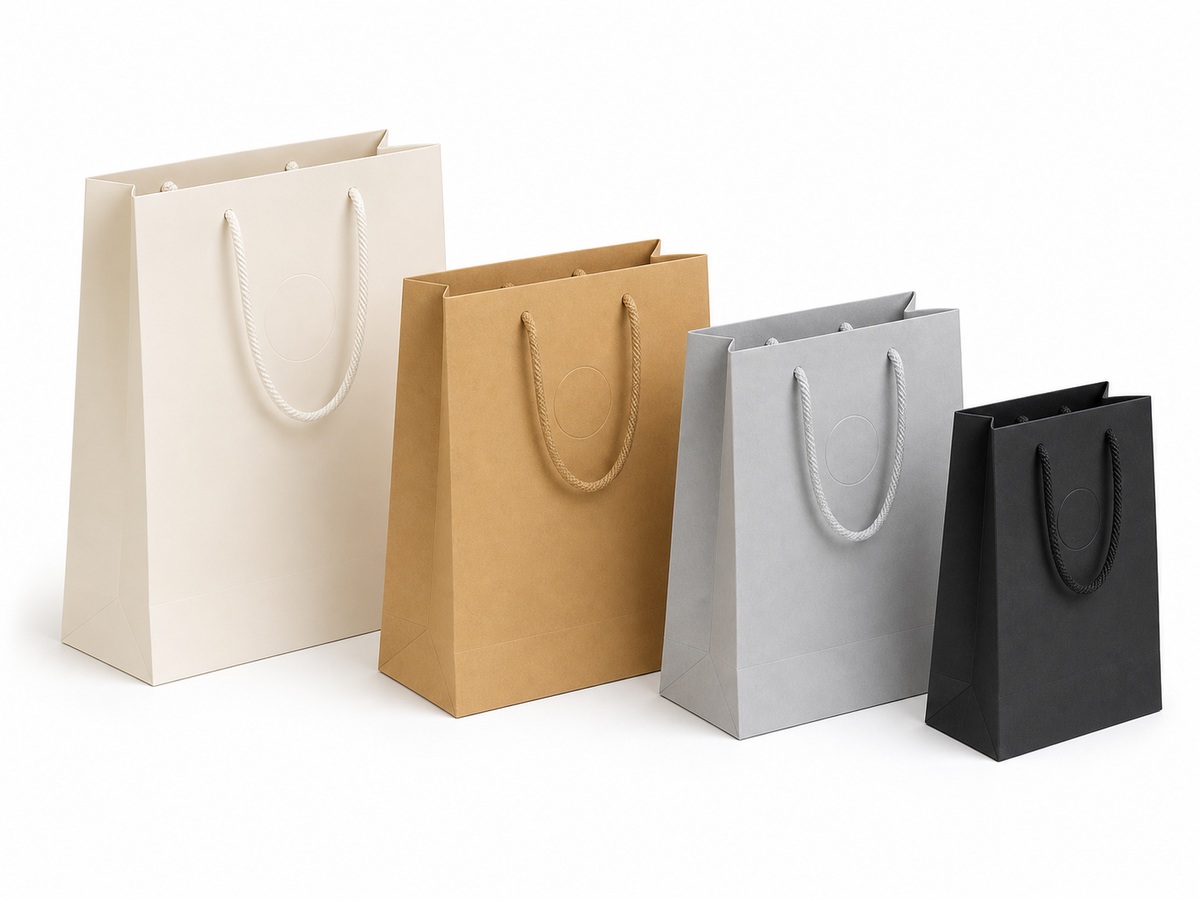
Many buyers choose a paper bag by appearance first, but function should guide the specification. A wine paper bag must carry vertical weight safely. A jewelry paper bag should feel delicate but still protect the box inside. A clothing paper bag needs comfortable handles and enough width for folded garments. A bakery or food bag may require quick handling and practical structure.
Wholesale mistakes often happen when one bag size is forced to cover too many product types. It may reduce short-term complexity, but it can create weak carrying performance or poor customer experience. The better approach is to develop a small packaging system: several sizes, shared brand design, and materials matched to product use.
H2: Choose Paper Material by Purpose, Not Habit
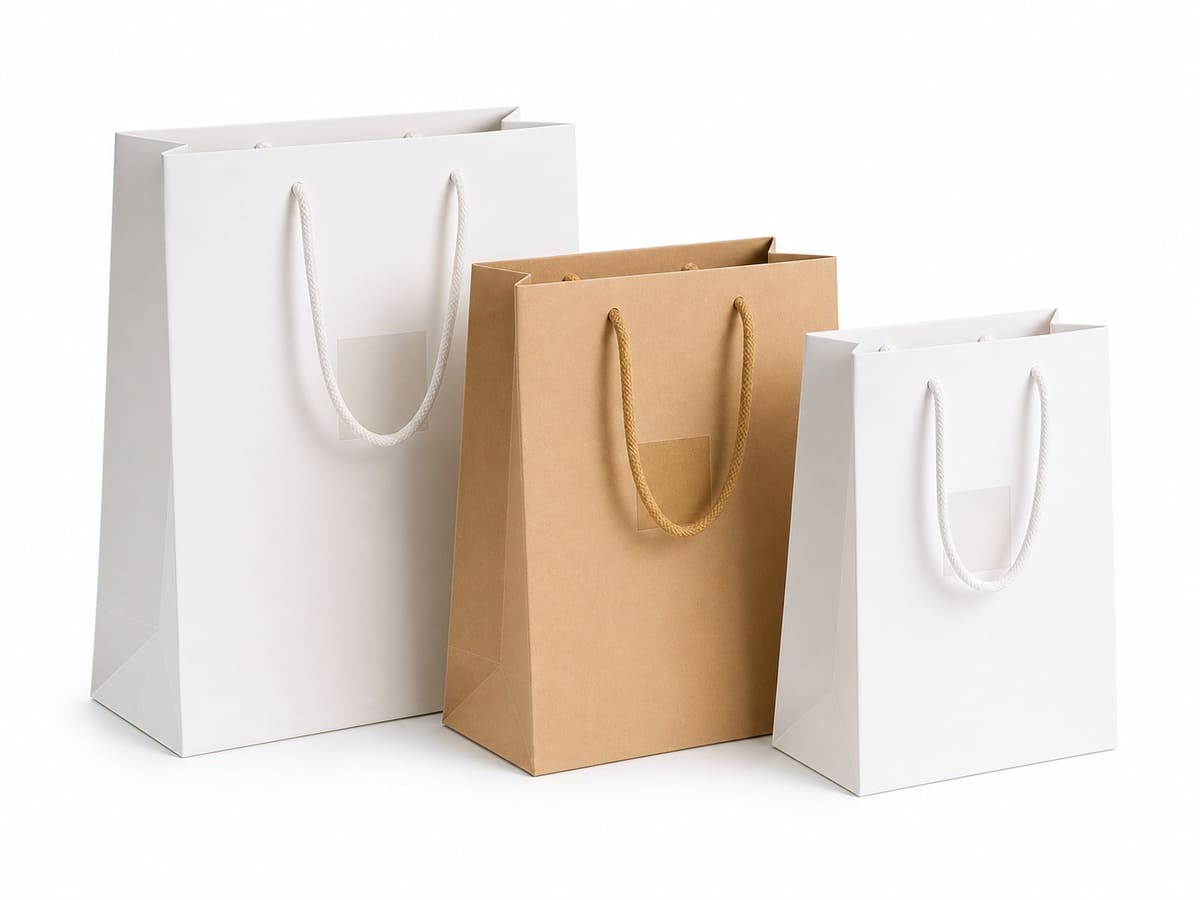
Paper material affects strength, printing, texture, cost, and brand meaning. Art paper is widely used for premium printing because it supports clean color and smooth finishing. Kraft paper is suitable for natural, simple, and eco-friendly brand messages. Specialty paper can create a memorable tactile effect for luxury packaging, but it may increase cost and require more careful production control.
| Paper Option | Best For | Buyer Consideration |
| Art paper | Cosmetics, fashion, gifts, premium retail | Good print quality and refined finishing options |
| Kraft paper | Eco brands, food, casual retail, natural products | Strong environmental feeling, but color results may be softer |
| Specialty paper | Luxury launches, jewelry, boutique packaging | Distinct texture, higher cost, sample approval is important |
| Recycled paper | Sustainable packaging programs | Check strength, appearance, and documentation |
The right paper choice is rarely about the highest GSM. A heavier paper may feel strong, but it also increases cost and shipping weight. A reliable supplier should recommend a paper weight that fits the bag size and load requirement instead of simply pushing thicker material.
Do Not Ignore Handle Design
Handles are easy to overlook, yet they strongly affect customer experience. Cotton rope creates a soft premium feel. Ribbon handles are suitable for gift and luxury packaging. Twisted paper handles are practical for shopping bags. Die-cut handles can look clean, but they may not suit heavier products. In wholesale orders, handle comfort, attachment strength, and visual match should all be tested.
H2: Printing and Finishing Create the Brand Memory
Custom paper bags wholesale become valuable when printing and finishing turn simple packaging into a brand asset. A logo printed in the right color, placed with balanced spacing, and supported by suitable surface treatment can make a bag feel intentional and professional. Poor printing, however, can make even expensive paper look cheap.
For many brands, the strongest result comes from restraint. Instead of using every decorative process, choose finishing that supports the brand story. Foil stamping can highlight a premium logo. Embossing adds tactile detail. Matte lamination gives a modern, soft appearance. UV or Scodix effects can make selected design elements stand out without overwhelming the whole bag.
| Finishing Method | Visual Effect | Suitable Brand Use |
| Hot stamping | Metallic highlight | Luxury, jewelry, wine, cosmetics |
| Embossing | Raised tactile texture | Boutique and premium gift packaging |
| Matte lamination | Soft and refined surface | Fashion, beauty, lifestyle brands |
| Spot UV or Scodix | Dimensional shine on selected areas | High-end launches and visual campaigns |
Color Accuracy Matters in Repeat Orders
Wholesale packaging often needs repeat production. If the first order and second order look different, the brand image becomes inconsistent. Buyers should provide artwork files, Pantone references when necessary, and approved samples. Color control is especially important for brand logos, dark backgrounds, foil areas, and full-color printed designs.
H2: Cost Control Should Protect the Brand, Not Weaken It
The cheapest custom paper bags wholesale order is not always the most economical. A low unit price may hide weak paper, poor handle strength, thin carton packing, inaccurate printing, or unstable delivery. Cost should be evaluated as total packaging value, not only as a number on a quotation.
Brands can reduce cost intelligently by simplifying unnecessary finishing, standardizing several practical bag sizes, choosing machine-made production for larger volume orders, and planning orders early enough to avoid rush charges. If the brand needs luxury packaging, cost control should focus on removing waste rather than removing quality.
- Use one strong finishing detail instead of several competing effects.
- Choose sizes based on actual products, not guesswork.
- Confirm carton packing to reduce shipping damage.
- Plan seasonal packaging early to avoid urgent production pressure.
H2: Quality Control Is Where Wholesale Orders Succeed or Fail
Small errors become large problems in wholesale production. A weak handle repeated across thousands of bags becomes a customer complaint risk. A slight color shift can damage brand consistency. A poorly glued bottom may create product loss. This is why buyers should treat sample approval and final inspection as essential steps.
A strong paper bag supplier should check material, printing, lamination, handle attachment, folding, bottom strength, and export packing. For premium bags, inspection should also include scratches, glue marks, foil alignment, embossing depth, and bag shape consistency. Wholesale buyers should ask what the factory checks before shipment, not only what it can produce.
- Check whether the approved sample is kept as the production standard.
- Confirm whether cartons are strong enough for export shipping.
- Ask how the supplier handles color deviation in repeat orders.
- Review whether the bag can hold the real product weight safely.
Sustainability Must Still Be Practical
Many brands want eco-friendly paper bags, but sustainable packaging still needs to carry products safely and represent the brand well. Recycled paper, kraft paper, plastic reduction, and reusable packaging options can all support a greener message. However, buyers should confirm whether the material and structure are suitable for real customer use.
H2: Plan Reorders and Export Packing Early
Stable Orders Need Clear Records
Wholesale paper bag projects often become repeat orders, so buyers should record the approved paper, size, handle, printing method, finishing, carton packing, and shipment requirements after the first order is confirmed. This helps the next production run stay consistent instead of depending on memory or scattered messages.
Export packing should also be reviewed before bulk production. A strong carton plan helps protect bag corners, handles, surface finishing, and folded shape during transport, which is especially important when bags are shipped for retail campaigns or distributor stock.
- Keep one approved sample for future color and material reference.
- Confirm carton quantity and carton marks before shipment.
- Record the final artwork version used for bulk production.
H2: Conclusion
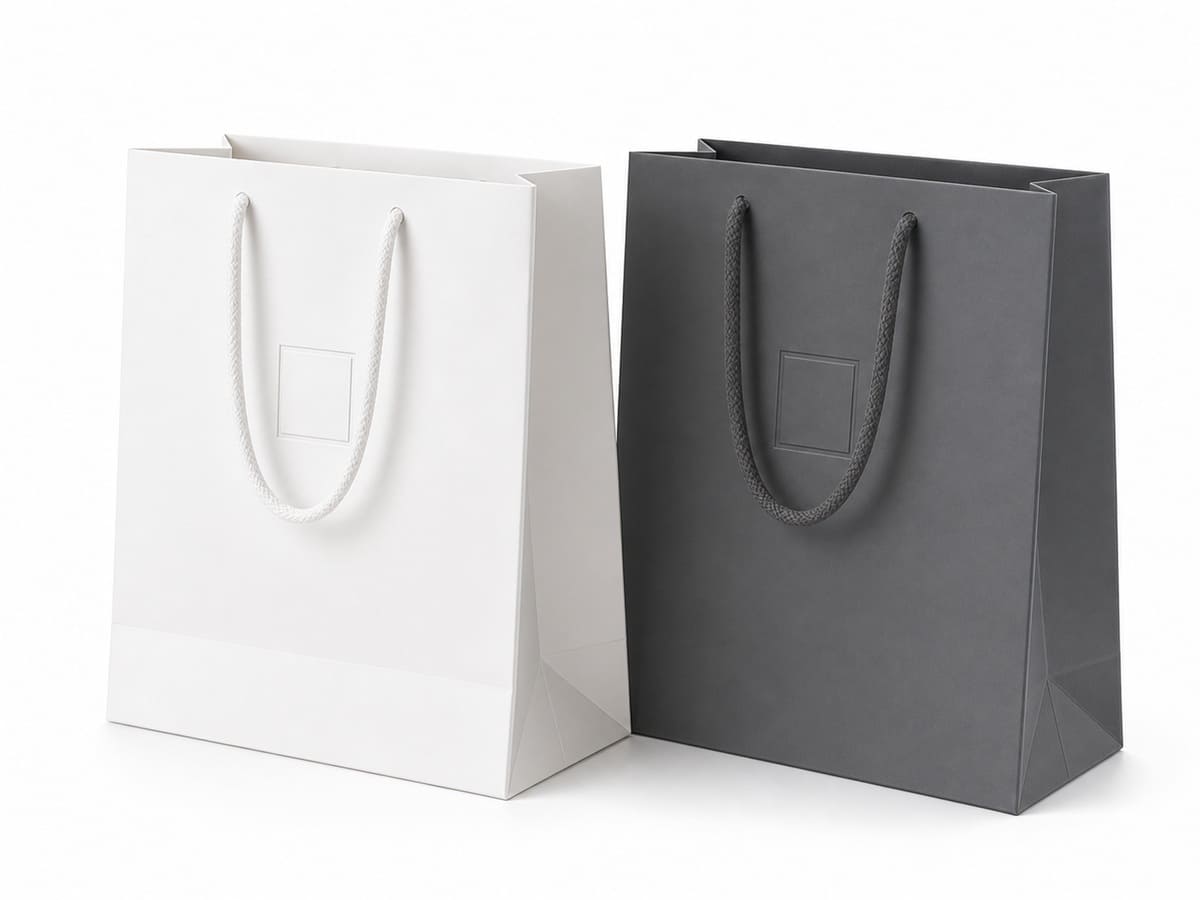
Custom paper bags wholesale should be treated as a complete packaging strategy. The best order balances brand positioning, material choice, structure, printing, finishing, cost, quality control, and sustainability. When these decisions work together, a paper bag becomes more than a carrier. It becomes a portable brand experience that customers notice, use, and remember.
H2: FAQ
What should I consider before ordering custom paper bags wholesale?
You should confirm product weight, bag size, paper material, handle type, printing method, finishing, order quantity, sample approval, packing method, and delivery schedule.
Are handmade paper bags better for wholesale orders?
Handmade paper bags are better for premium packaging and refined details, while machine-made paper bags are usually better for larger retail volumes and cost efficiency.
How can I reduce the cost of custom paper bags?
You can reduce cost by choosing efficient sizes, avoiding unnecessary finishing, using suitable paper weight, planning orders early, and standardizing repeat-order specifications.
What is the best paper for custom shopping bags?
There is no single best paper. Art paper is strong for premium printing, kraft paper suits natural branding, specialty paper supports luxury texture, and recycled paper helps sustainability programs.
Email: janice@yuanxupaperbag.com
Inquiry Hotline: +86 0133 9275 2288
contact person: janice
Website: https://www.yuanxubag.com/
Post time: Jul-17-2026