

H1: How to Evaluate a Custom Paper Bag Manufacturer Before You Place an Order
Choosing a custom paper bag manufacturer is a serious purchasing decision for any brand that depends on packaging quality. A good manufacturer does more than produce bags. It helps turn design ideas into reliable specifications, controls quality across bulk production, solves material and printing problems, and supports repeat orders. For global buyers, the right manufacturer can reduce risk, protect launch schedules, and keep brand packaging consistent across markets.
H2: A Strong Manufacturer Understands the Packaging Goal First
The first sign of a reliable custom paper bag manufacturer is not a low price. It is the ability to understand what the packaging needs to achieve. A supplier should ask about the product category, retail environment, customer expectation, product weight, order quantity, artwork, finishing preferences, shipping destination, and timeline. These questions show that the factory is thinking about real production rather than only quoting quickly.
A cosmetics brand, a wine company, a jewelry retailer, and a fashion store may all need paper bags, but their packaging goals are different. Cosmetics packaging often needs refined color and surface finish. Wine bags need strength and balance. Jewelry bags need elegant detail. Fashion shopping bags need comfortable handles and consistent store presentation. A manufacturer that understands these differences can recommend better structures and materials.
- Beauty brands usually need precise color and refined surface finishing.
- Wine brands need vertical strength and stable bottom construction.
- Jewelry brands need small-size luxury packaging with clean details.
- Fashion brands need durable shopping bags for repeated store use.
Fast Quotes Are Useful Only When the Details Are Clear
Many buyers are attracted to fast quotations, but speed without specification can create risk. If the supplier does not confirm size, paper GSM, handle type, printing method, finishing, packing, and delivery requirements, the price may not represent the final product. A professional manufacturer will usually slow the process slightly at the beginning to avoid expensive mistakes later.
H2: Factory Capability Should Match Your Product Category
Not all paper bag manufacturers have the same strengths. Some are better at handmade boutique paper bags with premium finishing. Some are designed for machine-made shopping paper bags and higher volume production. Others may focus on simple kraft paper bags, food bags, or promotional packaging. Buyers should match factory capability to the project instead of assuming every supplier can produce every style equally well.
| Manufacturer Capability | What to Check | Why It Matters |
| Handmade bag production | Worker skill, edge folding, handle attachment | Important for luxury and boutique packaging |
| Machine-made production | Equipment, speed, consistency, capacity | Useful for large-volume retail orders |
| Printing ability | CMYK, Pantone, UV, screen printing, hot stamping | Protects logo quality and brand color |
| Finishing process | Lamination, embossing, foil, Scodix, texture control | Creates premium packaging value |
| Export packing | Carton strength, packing layout, damage prevention | Reduces shipping and delivery risk |
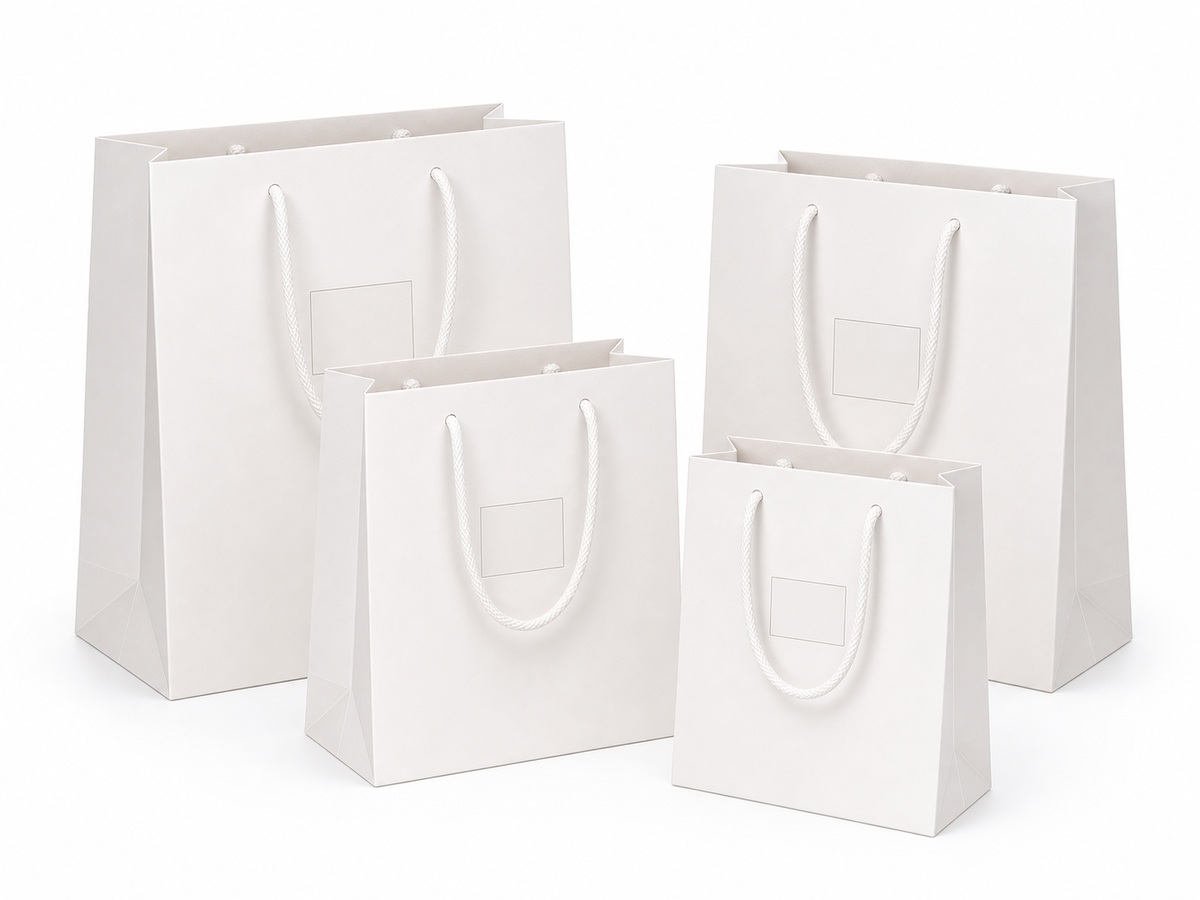
A product gallery can show what the manufacturer has made, but buyers should also ask how those products were made. Equipment, workers, inspection process, and production planning are just as important as sample photos.
Sampling Is the First Real Test
A sample shows more than appearance. It reveals the manufacturer’s understanding of artwork, material selection, structure, finishing, and quality control. When reviewing a paper bag sample, buyers should check paper feel, color accuracy, logo position, edge quality, handle strength, bottom structure, lamination, foil alignment, and overall shape.
For premium packaging, small defects are visible. Glue marks, uneven foil, rough folding, color variation, and weak handles can reduce the value of the whole product presentation. A reliable manufacturer welcomes detailed sample review because it helps prevent larger problems in mass production.
H2: Material Guidance Shows Real Manufacturing Experience
Experienced manufacturers do not simply follow requests without advice. If a buyer asks for paper that is too thin, too thick, unsuitable for printing, or unnecessary for the product weight, the manufacturer should explain the trade-off. Good material guidance can improve strength, reduce waste, control cost, and make the finished bag look more professional.
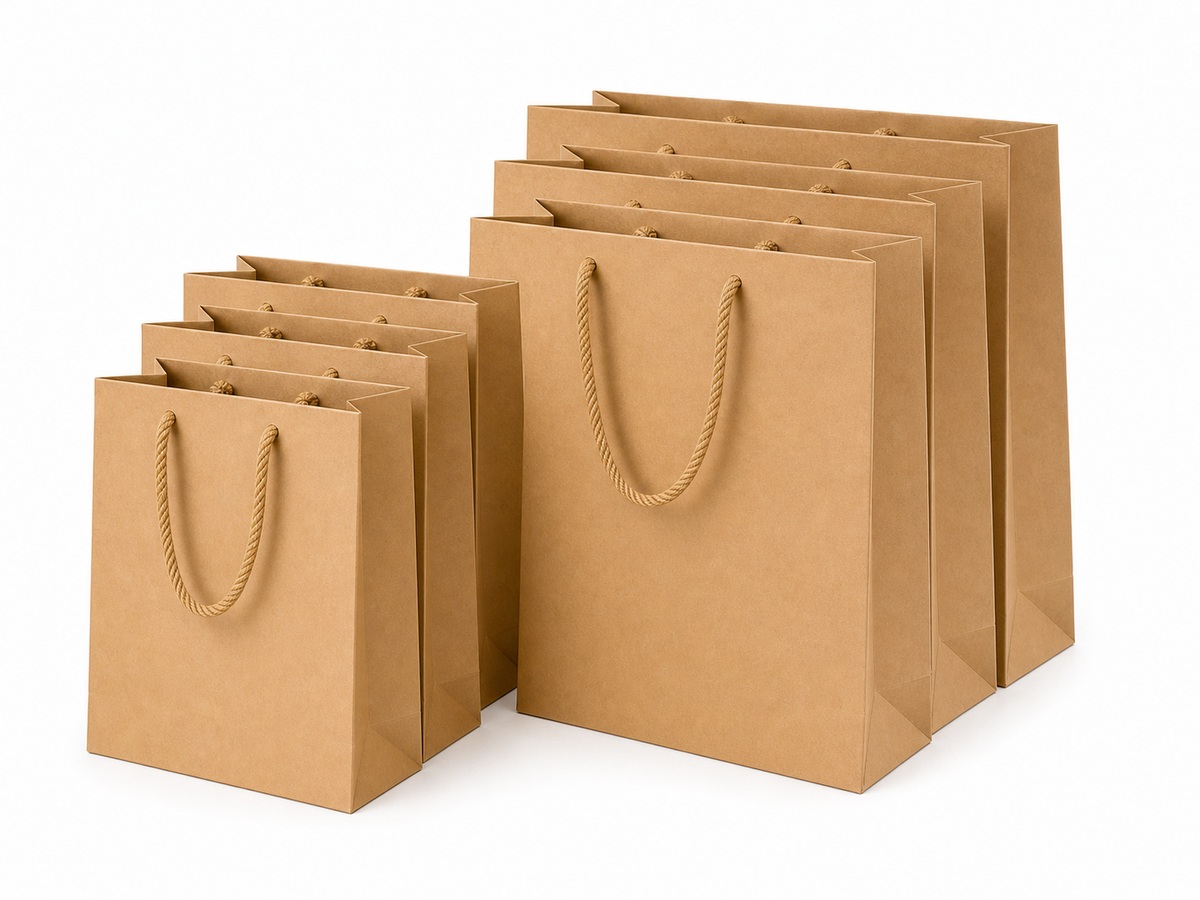
For example, a luxury boutique bag may need heavier art paper and reinforced structure. A casual retail shopping bag may perform well with a more efficient paper weight. A natural brand may prefer kraft paper or recycled paper, but still needs to consider print clarity and handle strength. A manufacturer with real experience can guide these decisions with practical reasoning.
- Avoid choosing paper weight only by thickness.
- Match paper surface to the printing method.
- Use reinforced structure when the product is heavy.
- Ask whether recycled paper affects color or strength.
Sustainability Should Be Built Into the Specification
Sustainability is now an important part of packaging decisions, but it should not remain a vague marketing word. Buyers should ask about recycled paper, kraft paper options, plastic reduction, reusable packaging alternatives, and documentation when needed. A strong manufacturer can explain how to balance environmental goals with strength, appearance, and production stability.
H2: Communication Quality Can Prevent Production Delays
Custom packaging requires careful communication. Artwork files, color references, sample changes, size adjustments, production timelines, and shipping plans all need clear confirmation. A manufacturer may have good production equipment, but poor communication can still cause delays and misunderstandings.
Good communication is specific. Instead of saying only that a bag is possible, the supplier should explain which material is suitable, which printing method is recommended, what finishing limitations exist, how long sampling will take, and what details affect price. This kind of guidance helps buyers make decisions faster and reduces revision cycles.
- Ask whether the factory can work with AI, PDF, and Pantone references.
- Confirm whether the supplier provides pre-production samples.
- Request clear production and shipping timelines.
- Check whether the supplier explains risks before production begins.
- Confirm packing details before final shipment.
H2: Quality Control Should Be Visible, Not Promised Only
Every manufacturer says it cares about quality, but buyers should look for visible quality control steps. For custom paper bags, inspection should cover raw materials, printing, lamination, handle attachment, folding, glue strength, carton packing, and final random checks. For luxury paper bags, the inspection standard should be even stricter because customers notice details quickly.
| QC Point | Risk If Ignored | Buyer Check |
| Material inspection | Weak or inconsistent paper | Confirm paper type and weight before production |
| Color control | Logo color does not match brand identity | Approve printed sample or color proof |
| Handle testing | Bag fails during customer use | Test with realistic product weight |
| Surface review | Scratches, bubbles, or uneven finish | Set clear appearance standards |
| Packing inspection | Bags arrive crushed or bent | Confirm export carton and packing method |
Quality control is especially important for repeat orders. If the first order looks different from the second order, brand consistency suffers. Manufacturers that keep approved samples, clear specifications, and inspection records are easier to work with long term.
Price Should Be Compared Line by Line
Two suppliers may quote different prices because they are not quoting the same product. One may use thicker paper, stronger handles, better packing, or a more expensive finish. Another may reduce cost by lowering material quality. Buyers should compare paper weight, printing, finishing, handle type, sample cost, packing, and delivery terms before choosing.
H2: A Long-Term Manufacturer Helps Brands Scale Packaging
A strong manufacturer becomes more valuable over time. Once it understands a brand’s standards, it can support seasonal campaigns, new product launches, updated bag sizes, and repeat orders with better consistency. This matters for brands that need different packaging across cosmetics, gifts, wine, jewelry, clothing, food, and retail shopping.
Long-term cooperation also improves efficiency. Artwork records, approved samples, material references, and packing preferences can be maintained, so future projects require less explanation. The manufacturer becomes a packaging partner rather than only a one-time supplier.
H2: Conclusion
A custom paper bag manufacturer should be evaluated by more than product photos or unit price. The best supplier understands the packaging goal, recommends suitable materials, controls printing and finishing quality, communicates clearly, provides reliable samples, and protects mass production consistency. For brands that care about customer experience, choosing the right manufacturer is one of the most important steps in building packaging that performs in the real market.
H2: FAQ
How do I choose a custom paper bag manufacturer?
Choose a manufacturer by reviewing its production capability, sample quality, material advice, printing options, quality control process, communication speed, certifications, packing method, and experience with similar product categories.
Why is sample approval important for custom paper bags?
Sample approval confirms material, color, size, handle strength, printing quality, finishing effect, and structure before mass production. It reduces the risk of bulk order mistakes.
What should I ask a paper bag manufacturer before ordering?
Ask about paper options, minimum order quantity, printing methods, finishing choices, sample time, production time, quality inspection, export packing, and whether they can support repeat orders.
Is the lowest price the best choice for paper bag manufacturing?
Not always. A low price may reflect weaker material, simpler packing, or fewer quality checks. Buyers should compare full specifications and total value, not only the unit price.
Email: janice@yuanxupaperbag.com
Inquiry Hotline: +86 0133 9275 2288
contact person: janice
Website: https://www.yuanxubag.com/
Post time: Jul-17-2026